

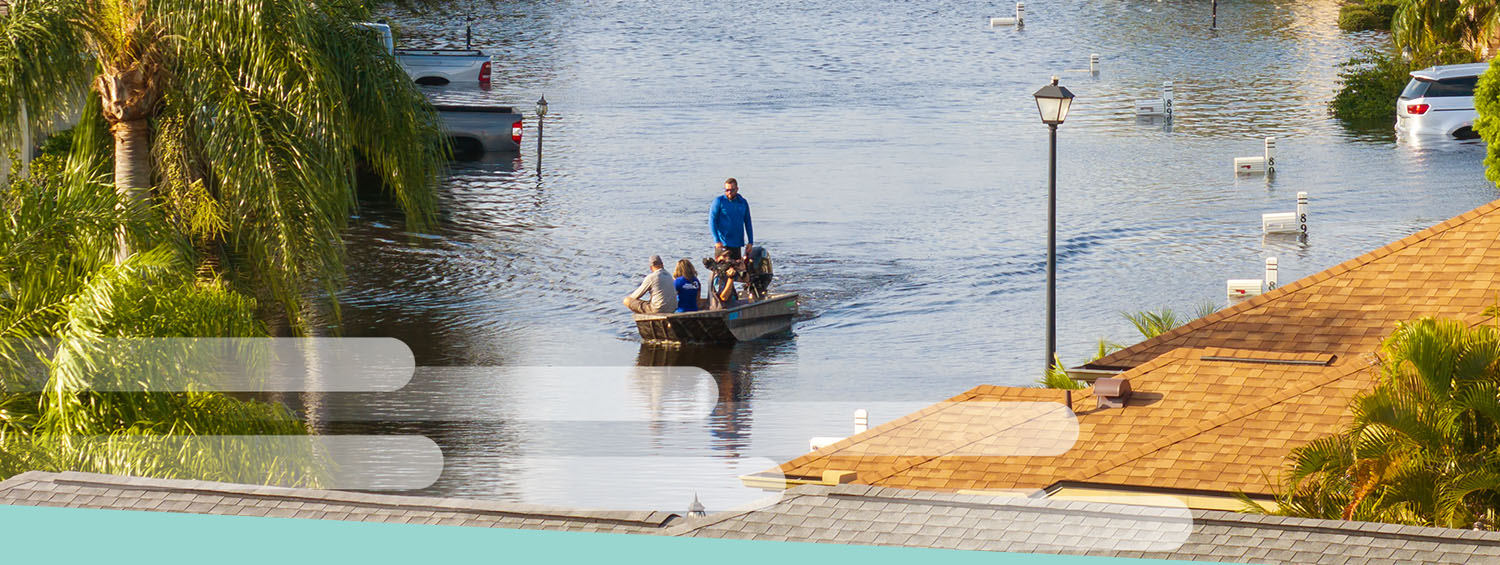
Although technology to detect natural disasters has vastly improved, immediate communication and warnings remain a constant setback during danger. During sudden disasters, such as tornadoes, hurricanes or wildfires, communicating through voice over the phone often fails due to congestion, as power outages can disrupt Wi-Fi connection or the network needed for app-based alerts.
While detection technology can spot a threat hours in advance, that data is useless if it cannot be transmitted to everyone in the path of danger. Traditional broadcast methods like sirens often have limited range, and alerts can miss the growing population of those who use streaming services without cable or broadcast televisions. This leaves a dangerous gap where residents possibly remain unaware of evacuation orders until it is too late to act safely.
When residents receive an initial alert text, nearly 80% mobilize and leave the danger zone quickly. But if alerts are delayed by network congestion or buried in social media feeds, “alert fatigue” can set in, and people stop responding. Speed is essential to survival in these instances, and using texting for emergency alerts prevents delayed communication.
Using Texting for Emergency Alerts and Evacuations
While broadcast alerts are often one-way streets, SMS has some of the highest open rates, as most people read texts within minutes. This high engagement makes it one of the most effective ways to deliver urgent updates and allow your intended audience to respond if necessary.
Choosing an SMS emergency software can allow you to send evacuation notification messages with a “Reply YES if safe” to imitate a roll call, letting you know the status of your teams, first responders and other more critical recipients on your lists. If they respond with “NO,” then they can provide their location, and help can arrive as soon as possible. This ability to respond gives you the specific situational awareness that most broadcast systems lack.
Effective evacuation requires staged and planned movement. You can use SMS software to segment your list of contacts by zone, such as zone A, zone B and so on. You can time and send the “leave now” message to a certain zone first, then the following areas a couple of minutes later. This metering can help prevent road congestion that further stalls evacuations.
Reentry can be just as dangerous as the evacuation itself. Emergency SMS text alert systems feature an “all clear” message option, allowing you to communicate precisely once the natural disaster has passed. You can provide these instructions to specific lists, such as only utility crews first, before letting the general public know that the area is open again.
Benefits of SMS for Emergencies Compared to Traditional Channels
Traditional voice networks operate on “circuit switching,” requiring a dedicated line for each call. This capacity can be overwhelmed when hundreds of residents attempt to dial 911 or another number all at once. Similarly, social media feeds are often scrambled by algorithms or become inaccessible when power outages interfere with local Wi-Fi.
To maintain connection when standard infrastructure collapses, SMS offers distinct technical advantages:
- Bypasses network congestion: SMS uses small data packets, or control channels, that can get through even when cell towers are overloaded, unlike voice calls that require a dedicated circuit.
- Works without internet: It can work independently of Wi-Fi, 4G or 5G data, ensuring delivery even during power outages or when routers fail.
- Ensures universal compatibility: From the newest smartphones to older flip phones, SMS can reach all mobile devices without the recipient having to download an app or take other action.
- Delivers higher read rates: Compared to email or social media communications, text messages are read within minutes, which can provide immediate situational awareness.
These technicalities make text messaging a truly inclusive safety measure. By using emergency messaging for local government or government agencies, officials can ensure that critical lifesaving information reaches vulnerable populations, including older adults and rural residents, who are often left behind by app-based alerts.
How Does Emergency SMS Work When Networks Fail?
SMS is designed to hold your message until it can be delivered safely. If a resident’s local cell tower is disabled or their device is out of range when you send an alert, the message is not dropped. Instead, the network’s Short Message Service Center (SMSC) queues the data packet and automatically delivers it the moment a signal returns, ensuring residents receive instructions even after a temporary disconnection.
For local governments, using an SMS API integration adds a second layer of redundancy. Enterprise gateways route messages through multiple Tier 1 aggregators rather than a single carrier path, so if one network provider experiences a localized failure, the system instantly reroutes the alert through an alternative pathway. Multiple routes ensure that mass evacuation orders bypass the standard blockers of consumer traffic and other communication methods.
Best Practices for Emergency SMS Text Messaging
When drafting an alert, clarity is not just a preference but also a safety requirement. Ambiguity can cause further panic, so following the recommended format from the Federal Emergency Management Agency (FEMA) ensures every character counts toward compliant and clear messaging:
- Source: Clearly identify who is sending the alert or on whose behalf it’s from.
- Hazard: State the specific threat, such as the type of natural disaster.
- Location: Define the affected area clearly, such as the residents of a specific area.
- Action: Give a direct, imperative command for your recipients to carry out.
- Time: Explain when the order will expire or when the next update is set to occur.
Adhering to this structured formula prevents confusion and ensures that recipients immediately understand the threat and know the best course of action. Test it out first by sending bulk text messages that align with this template before a crisis occurs.
Choosing an SMS Emergency Software
Not all SMS platforms are built for natural disaster crisis management. When evaluating systems, avoid consumer-grade apps and look for an enterprise gateway capable of handling high-volume surges without slowing delivery, that can also offer:
- API integration allows you to directly plug in your existing emergency operations software (EOC) or other personnel databases.
- Two-way communication lets all recipients reply with status updates, such as if they’re safe or need help, to provide real-time information to command centers.
- Filtered segmentation software allows you to group contacts, whether by zone, their role or department, for targeted messaging.
- Efficient throughput ensures thousands of messages can be sent simultaneously without any complications or delays.
Selecting a platform with all of these capabilities allows your EOC to move from broadcasting to coordination. Advanced operational SMS solutions can help bridge the gap between your command data and field teams.
Strengthen Your Mass Evacuation Plan With CompleteSMS
Effective natural disaster response requires a communication layer that can properly function where others fail. CompleteSMS can provide the high-throughput infrastructure needed to deliver critical alerts instantly. Whether you need to coordinate first responders or notify thousands of residents, our gateway ensures your instructions are received, read and acted upon.
Consider adding reliable two-way SMS to your emergency operations strategy today. Request a demo to see how our platform can help alert and protect your community.