

Summary
Quick Overview
For businesses using an SMS browser in 2026, bulk SMS marketing trends include moving toward two-way conversations, personalized messages, automated workflows, and stronger 10DLC compliance. They also apply to businesses using text messaging for marketing, customer service, and notifications, with CRM and help-desk integrations helping teams manage campaigns and responses at scale.
Staying abreast of bulk SMS marketing trends is one of the most effective ways to maintain a high-performing communication strategy in 2026. As customer expectations evolve and new regulations shape how businesses can use SMS to reach their audiences, understanding these shifts will protect your ROI and ensure consistent engagement.
Below are 10 bulk SMS marketing trends worth watching as you plan for the year ahead.
1. Two-Way Conversational Messaging
The days of impersonal, “do-not-reply” messages are over. In 2026, customers expect to interact with brands and receive the same immediate responses as they would when chatting with colleagues or friends. Two-way engagement turns SMS into a dynamic conversation channel that directly impacts retention and customer satisfaction. People appreciate getting quick answers to their questions, which may cement you in their minds as a trustworthy and friendly company to do business with.
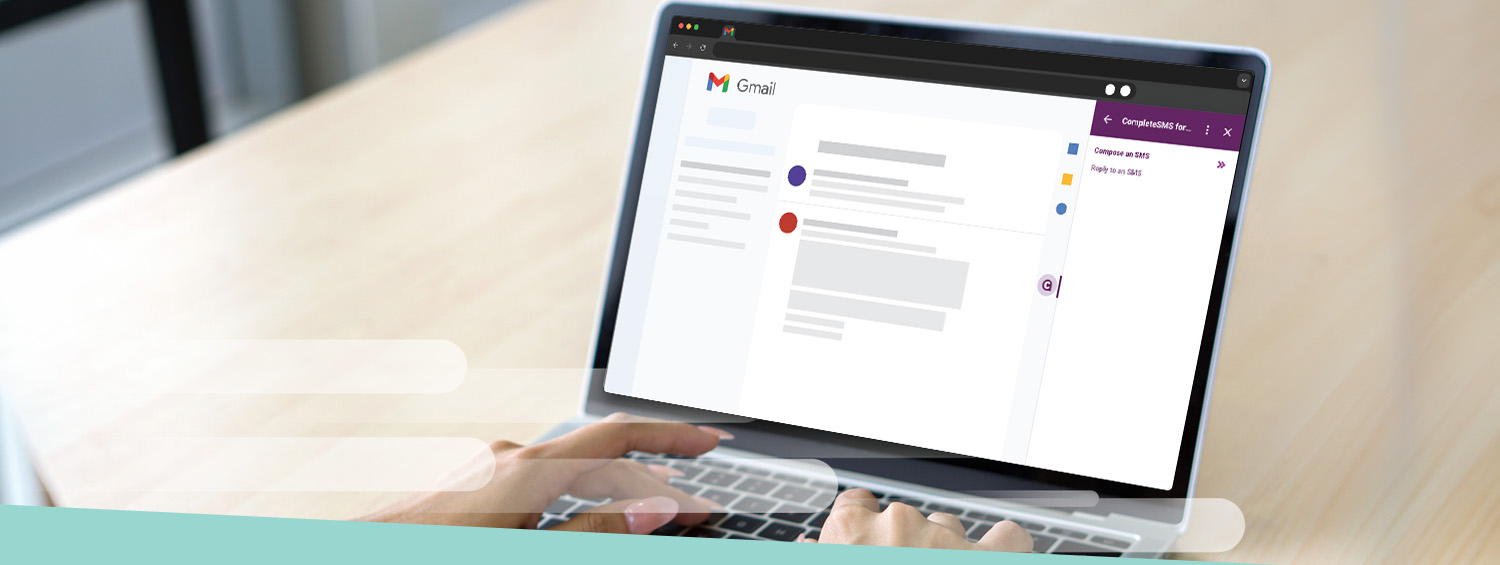
When you implement two-way communication, replies can land in your inbox, reducing the need to toggle between platforms. Conversation-style brand interactions may also be an effective way to communicate with Gen Z customers, who use SMS natively. They can text you back about offers or promotions, and you can respond without leaving your laptop.
2. Hyperpersonalization
Hyperpersonalization goes beyond adding a recipient’s first name to a text. The next level of engagement is behavior-driven, tailoring messages to what customers do and how they interact with your services. You can automatically align messages by integrating an SMS gateway API that pulls data from your customer relationship management system or internal database.
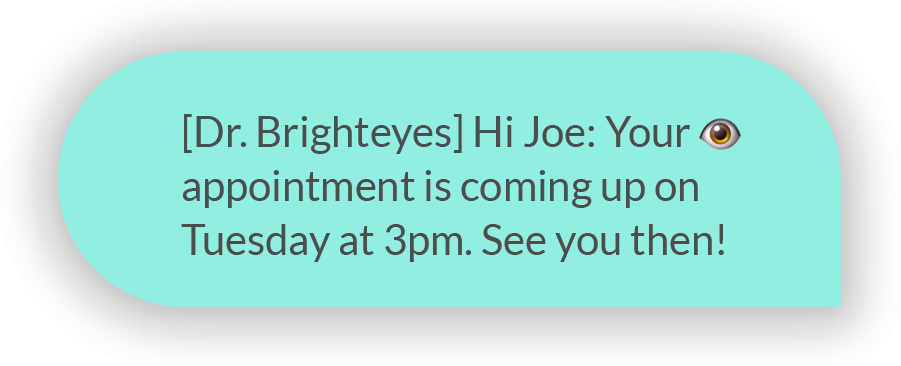
For example, if a client books an appointment, the system can quickly send them a personalized reminder with their specific appointment time, location and the provider’s name.
Segmenting audiences by behavior and intent also allows your team to send targeted messages. Bulk SMS sending tools support this at scale, enabling personalized SMS marketing of hundreds or even thousands of messages.
3. The Rise of Automation
Automation keeps SMS messaging effective. Its value lies in actions that initiate messages such as appointment bookings, package arrivals or registration confirmations. This technology ensures communication occurs at the exact moment it is most relevant by tying the message to user actions.
Automation also scales messaging efforts. A single workflow can handle thousands of individual interactions while maintaining personalization and immediacy.
Integration via APIs streamlines these efforts. You can orchestrate complex workflows by connecting your SMS platform to CRM systems, booking tools and internal software.
4. Template-Driven Messaging
Businesses can use template-driven messaging to balance speed, consistency and personalization as SMS programs mature. Prebuilt and customizable templates support SMS marketing trends by allowing you to communicate clearly and efficiently while still adapting messages to specific audiences. Templates are valuable in high-volume or repeat scenarios.
You can use them for:
- Appointment reminders
- Delivery notifications
- Service updates
- Shift confirmations
- Policy updates
- Follow-ups
Templates integrate with bulk sending tools and automation. Use them to send multiple personalized messages, automatically triggered by actions in your workflow system.
5. 10DLC Compliance
U.S. mobile carriers rely on 10-digit-long code verifications to manage traffic for SMS campaigns. Registering your number signals to carriers that your messages are legitimate business communications, helping them filter spam.
An experienced SMS solution company can guide you through registration, communicate with providers and ensure numbers are fully compliant, giving you more time to focus on improving your 2026 SMS marketing strategies.
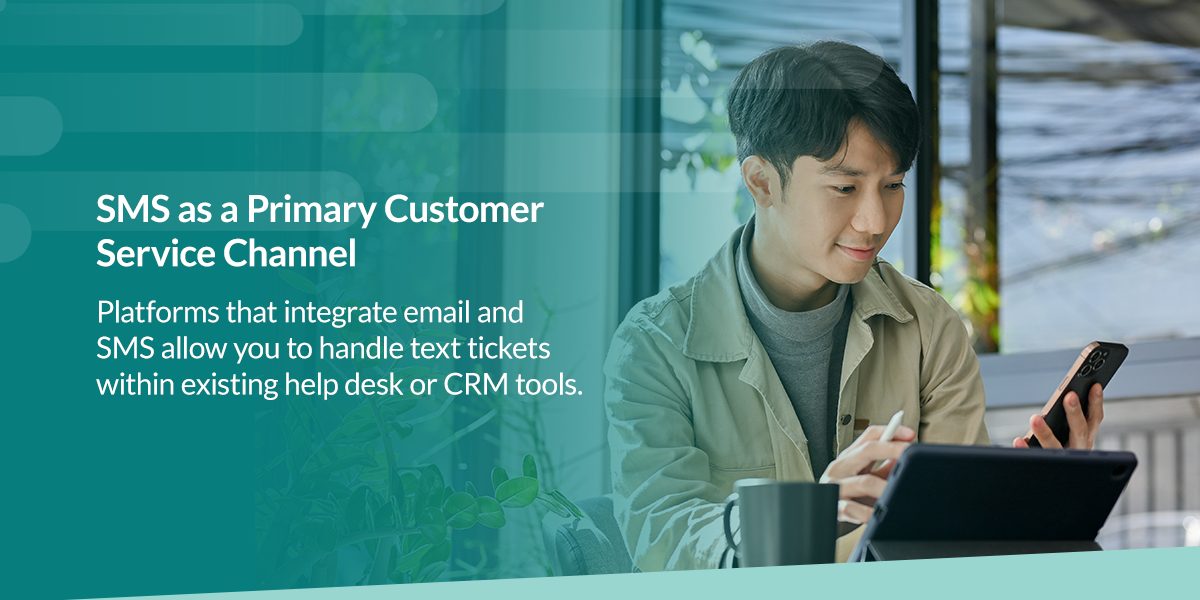
6. SMS as a Primary Customer Service Channel
Many companies prefer using text messaging for customer service. Its asynchronous nature allows you to manage multiple conversations in the time it would typically take to handle a single phone call. This efficiency frees you to respond to routine inquiries while maintaining bandwidth for more complex issues that require human judgment.
Platforms that integrate email and SMS allow you to handle text tickets within existing help desk or CRM tools. When customer replies arrive in your email inbox, you can archive or flag them with other received messages and keep all customer interactions organized in a single system.
7. Expansion of Omnichannel Integration
In 2026, the most effective messaging strategies orchestrate communication across various channels. For example, if you send an email to a customer and it goes unopened for 24 hours, an automated SMS follows up to keep the message timely.
Integration ensures your communication delivers messages at optimal times, while APIs make this integration seamless, giving you a complete view of customer interactions and engagement.
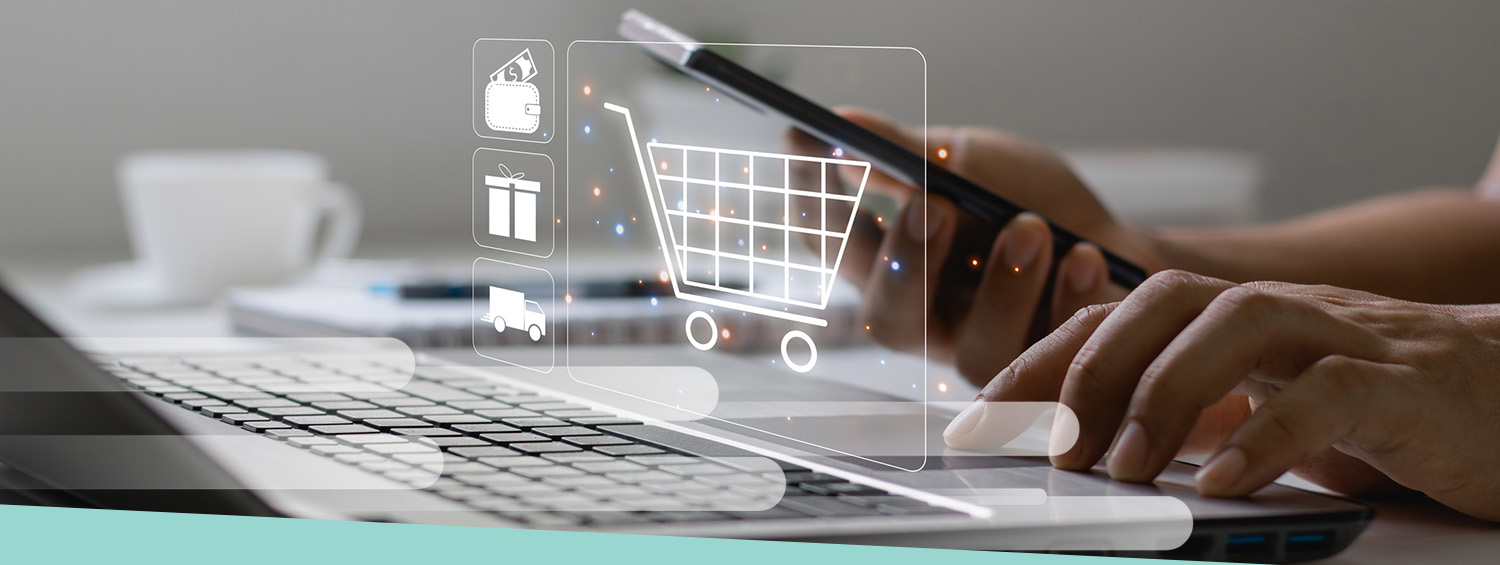
You can trigger texts automatically based on user behavior or system events by connecting SMS platforms to internal tools. Whether it’s following up on an abandoned cart or reminding a student about a deadline, omnichannel integration allows messaging to feel natural and responsive.
8. Privacy-First Data Collection
As cookies gradually phase out and privacy regulations tighten, direct SMS opt-ins are among the most valuable first-party data a business can own. When someone consents to receive messages from your brand, that permission represents trust and opportunity. Collecting data through SMS allows you to build rich customer profiles that inform more personalized, relevant interactions while respecting privacy.
A few data privacy SMS marketing best practices include:
- Safeguarding sensitive data
- Storing customer information responsibly
- Using data only with the user’s consent
9. Internal Communication and Staff Safety
SMS is equally effective for in-house communications. Urgent alerts about IT outages or facility updates reach employees almost instantly, with messages typically opened and read within three minutes of receipt. This speed makes SMS a reliable channel.
During time-sensitive situations, HR and operations managers can use bulk SMS to broadcast updates to all staff or specific teams. Whether it’s sending a companywide notice about an unexpected closure, confirming shift changes or communicating safety protocols, SMS allows teams to maintain operational continuity and protect employees.
10. Global and Multilingual Messaging
Multilingual SMS capabilities are essential if your organization operates across regions and time zones. You can deliver critical information to customers and staff regardless of their location.
Multilingual messaging is inclusive, letting you tailor your communication appropriately. For example, an international educational institution can send enrollment updates in a student’s preferred language, or a global operations team can deliver system alerts to regional staff in familiar formats.
From a technical standpoint, international SMS support and flexible routing enable you to manage global messaging from a single platform. You gain visibility and control while maintaining consistency across regions.
Align With 2026 Business Texting Trends
If you want to take full advantage of trends that support the future of SMS marketing, you need a partner who knows business messaging inside and out. CompleteSMS has over 20 years of experience helping organizations send personalized bulk SMS messages that work. Our platform integrates with tools you already use, including Outlook, Gmail, Excel and CRMs, while letting you send texts from your computer or mobile device.
With features like message templates, global address book support, personalized messaging, message threading and pick-your-own area codes, your communication stays professional yet personal. Call forwarding and delivery support make it easy to manage conversations at scale. You also have the flexibility to cancel at any time.